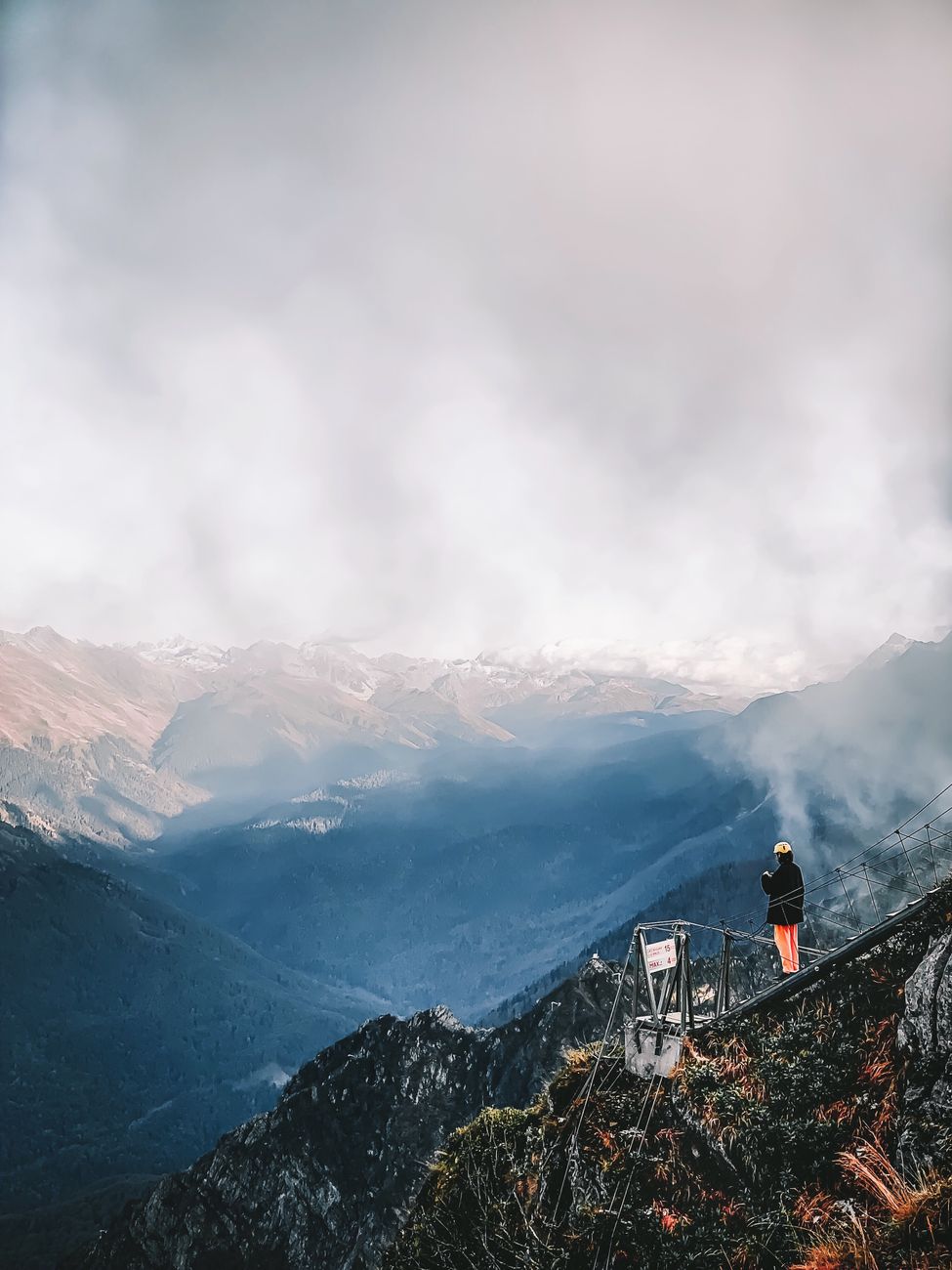
Slow Rail Journeys Through the Swiss Alps
Why elevated panoramic rail lines offer the ultimate meditative vantage point for modern alpine wanderers.
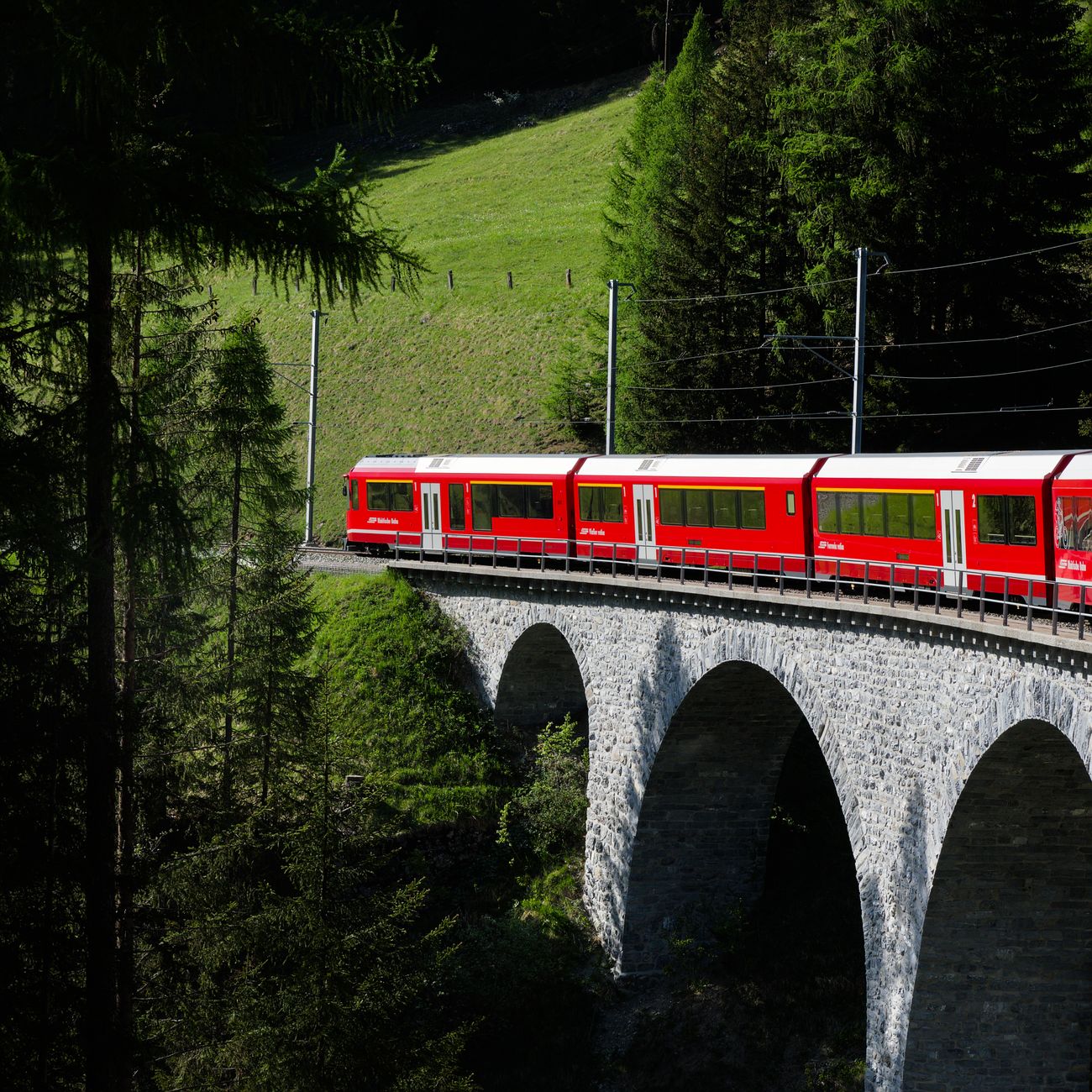
There is a distinct magic in watching snow-capped peaks unfold through panoramic glass coaches without the tension of modern highway driving. As speed-obsessed itineraries dominate global tourism, slow rail travel across Switzerland stands out as an antidote—a deliberate, tranquil return to the golden era of European grand tours.
1. The Renaissance of Slow Alpine Travel
In recent years, travel enthusiasts have increasingly sought out journeys where the transit itself constitutes the destination. The Glacier Express and Bernina Express routes exemplify this philosophy. Climbing over high mountain passes such as the Oberalp Pass at 2,046 meters above sea level, the train glides through pristine valleys where pine forests shimmer under morning frost.
"To travel by train through alpine terrain is to watch nature paint a living masterpiece right before your eyes, frame by frame."
2. Crossing the Landwasser Viaduct
Engineered over a century ago, the UNESCO World Heritage-listed Albula Railway features the famous Landwasser Viaduct. Rising 65 meters on curved masonry pillars before vanishing into a sheer cliffside tunnel, this architectural marvel demonstrates a harmonious balance between human ingenuity and wilderness protection.
3. Essential Tips for the Railway Traveler
To maximize comfort during your Swiss rail expedition:
- Reserve Seats Early: Popular panoramic routes require mandatory seat reservations several months in advance during peak summer and winter seasons.
- Pack a Regional Picnic: While dining cars offer fine regional wines and fondue, bringing artisanal Gruyère cheese and local bread enhances the personal charm.
- Choose Off-Peak Departure Times: Early morning trains offer softer light for photography and far quieter observation cars.